
Soleil Releases \"Heart Strings\" Music Video
CALEB SCHAFTLEIN,
How did your journey into the music industry begin, and what ultimately led you to your role as a musician?
When I was little, I knew I wanted to be a singer and a business owner. My parents realized music was a part of me during elementary school. I started piano lessons at 5 years old and voice at 8 years old. I was always humming in class and getting in trouble for it (the teacher moved me right next to her desk, but that didn’t stop the humming). My dad has been a bass player all his life, and my mom always loved music – so much so that she would put headphones over her stomach while she was pregnant with me! I continued playing different instruments (saxophone, clarinet) throughout my school years, and joined choirs in highschool and college. I released my first single ever in 2013, then joined the cover band scene where I learned how to perform and lead a band. I finished graduate school in 2015 and was deciding whether to pursue music or go to law school. I knew I loved music and wanted to sing, but there was fear around becoming an artist. I also knew that whenever I wasn’t involved in music in some way, I felt very sad, like a part of me was missing. I saw a video of an older woman in hospice care being asked what she regrets in life and what advice she would give, and from that video I decided that I would regret not pursuing music. So I never went to law school and I worked on becoming a singer, then songwriter. Around 2018 I started writing original music again and releasing it a few years later.
As an artist, how do you balance the creative side of music with the strategy behind building your career?
I allow myself time and space to be creative and do things that inspire my creativity – mostly traveling and trying new experiences. Strategy comes into play when it comes to releases, reaching out to people I trust to help define and produce the creative vision, scheduling writing sessions, knowing how and where to spend marketing money, and understanding the business behind it all.
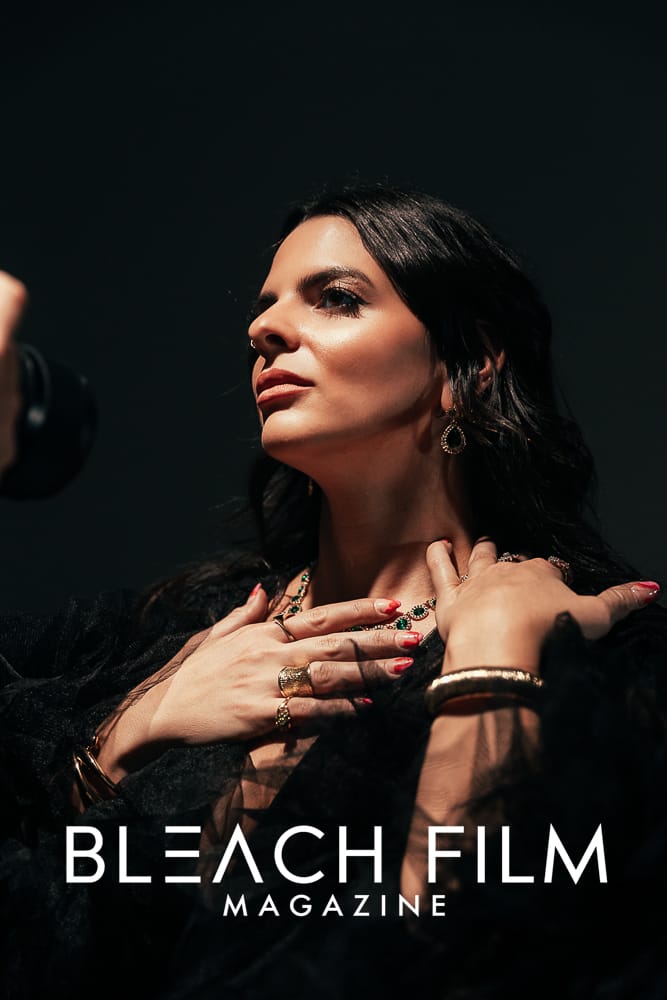
What is the inspiration behind your new single “Heart Strings”?
When I was writing Heart Strings, I was going through the end of a relationship. It was very important to me to acknowledge and emulate the emotional progression because healing is not linear and breakups are often multi dimensional, happening over time. There are so many emotions that move through a break up – angry, sad, relieved, nostalgic, hopeful…and acknowledging all of those emotions made the song more honest and authentic. I realized how much I learned from that relationship, so the intent was always to talk about the stages of a relationship and reclaiming my power in the end.
How do you develop an artistic identity that feels authentic to who you are while still connecting with your audience?
I’ve explored my artistic identity a lot over the years, and it has changed over time as I’ve gotten older and evolved as a woman. Being authentically me and singing the music I want to sing will attract the audience meant for me and allow me to connect with that. People will always respond to authenticity and energy. They can feel when you’re genuinely present and enjoying what you’re doing so you can create a moment together. Sometimes that’s through a vulnerable lyric, sometimes it’s getting people dancing, and sometimes it’s making them feel seen and connected to.
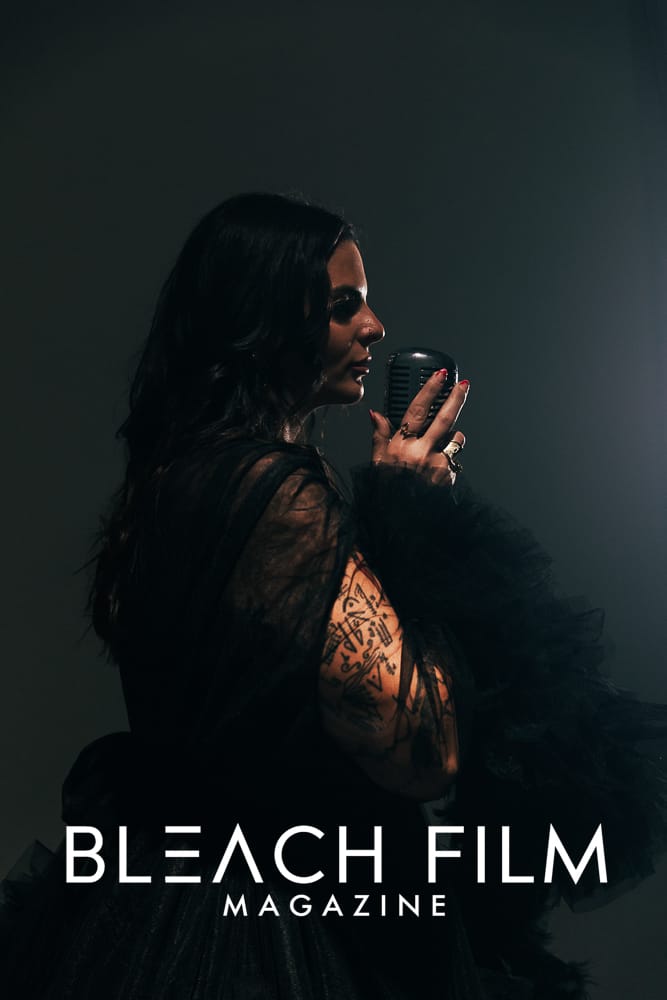
What goes on behind the scenes when you’re creating and preparing a new song: from the initial idea to putting it out into the world?
I create in many ways – sometimes it is from an idea I have (melody or lyric), sometimes it is from an instrumental I hear, sometimes it is a collective effort with my songwriting team. After the demo is done, I sit with the song and listen to it and imagine the visual – and I usually just go with whatever I saw in my head while listening to the song on repeat. Once the visuals are done, I reach out to my team for release and plan it out with them, get all the assets together, and set a date.
How has social media changed the way you promote your music?
When releasing music these days, there needs to be content to support the release – visuals and photos that will attract your audience and new listeners. Running ads on socials is a great way to promote music, and you need to have creative media in order to do that. I always plan for this when releasing.

What is one misconception people often have about what it takes to build a career in the music industry?
You don’t have to be a working musician to be an artist! I think there is a difference between being a musician working in entertainment (especially to pay bills) and being an artist, writing and releasing your own songs. Gigging has its pros and cons (I still gig weekly), but I definitely got caught up in doing tons of gigs to keep this working musician persona going, and at times that took away from the time I had to create as an artist and ultimately burnt me out. On that note, you also don’t have to be a full time artist to be a successful one – it is helpful to have an income stream that supports your art so you can create what you want to create without feeling like you are struggling.
Throughout your career, what has been one of the most challenging moments you’ve experienced?
In the early days of my career I didn’t understand music as a business, I only understood it as my creative outlet. I’ve signed funky contracts, worked with people I probably shouldn’t have, and made tons of mistakes…but I’ve learned from all of them. Now I understand how the music industry works, and with that, have much more peace about my place in music.
Looking ahead, what are you planning for the rest of this year with your music?
I’m working on two projects at the moment – one is a soulful/jazzy EP, and the other is a dance/r&b house album. I’m super excited about both of them!
Photographer: Ariel Opal Fieldman @fieldmanworker.jpg
Music Executive/publicist: Meikhel Philogene @M.E.I. Recordings @meikhe1
Model: Soleil @solefulsoul
